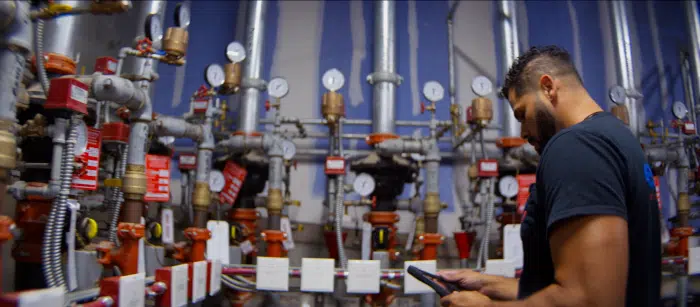


Commercial fire protection service providers recognize the significance of Fire Safety Engineers in helping commercial establishments achieve high levels of fire safety. However, it can be challenging to find, hire, and retain top talent in this field. Finding experienced and qualified Fire Safety Engineers can be time-consuming and expensive, and high turnover rates hinder growth. The ability to recruit and retain skilled Fire Safety Engineers is a key factor in the durability and success of a Fire Protection Service Provider.
This article provides practical tips for commercial fire protection service providers to find, hire, and retain talented and qualified fire safety engineers. It explores the strategies necessary for building a team of skilled engineers and enhancing the overall fire safety capabilities of the organization.
The Role of Fire Safety Engineers
Fire Safety Engineers play a vital role in providing commercial fire protection services. They are responsible for designing and implementing safety systems that keep commercial premises safe from fire accidents. The role of Fire Safety Engineers ranges from conducting site inspections and risk assessments to designing fire protection solutions and training employees. They work closely with clients, architects, and other construction professionals to ensure that all safety regulations are met, and standards are maintained. Some of the benefits of Fire Safety Engineers include:- Site Inspections: Fire safety engineers conduct site inspections to identify potential fire risks and hazards. By doing so, they help businesses identify safety shortcomings that need to be addressed.
- Risk Assessments: Fire Safety Engineers assess the risks presented by a particular site and develop fire safety solutions according to the site’s characteristics. Their expertise allows them to identify potential threats and devise strategies to mitigate them.
- Fire Protection Solutions: Fire Safety Engineers design and implement proven fire protection systems that fit the specific needs of a commercial property. They create custom solutions that address the unique fire safety requirements of each location.
- Compliance with Standards: Compliance with safety regulations is mandatory for commercial establishments. Fire Safety Engineers are well-versed in these regulations and make certain the highest standards are met. They ensure buildings comply with the required safety codes and regulations as well as other industry standards.
- Training Employees: Fire Safety Engineers also train employees on fire safety procedures, evacuation plans and protocols, and the use of fire safety equipment. This increases overall fire safety awareness and helps employees take proactive measures in the event of a fire.
- Collaboration with Other Professionals: Fire Safety Engineers work closely with clients, architects, and other construction professionals to ensure that all safety regulations are met. Their experience and knowledge allow them to provide valuable insights and recommendations in the entire construction process.
- Minimization of Risks: The expertise of Fire Safety Engineers in designing and implementing fire protection solutions that fit the specific needs of a building assures that fire risks or hazards are minimized. This minimization of risks consequently saves businesses from losses that may occur due to fires.
- Peace of Mind: The presence of Fire Safety Engineers instills confidence in employees and building occupants. It assures that all the fire safety measures have been implemented, making them confident and reducing fear levels in case of a fire incident.
- Cost Saving: Implementing effective fire safety measures can lead to significant cost savings in the long run. The solutions designed and implemented by Fire Safety Engineers help prevent costly fire incidents, property damage, and business interruptions, ultimately saving businesses from financial losses.
- Improved Reputation: Working with experienced Fire Safety Engineers builds the client’s confidence in the commercial fire protection service provider and results in a better reputation for the service provider. The client can professionally convey their concern for the safety of its occupants, which in turn leads to a higher level of trust between the service provider and client.